
I Was Practising Monastic Design and Didn’t Even Know It
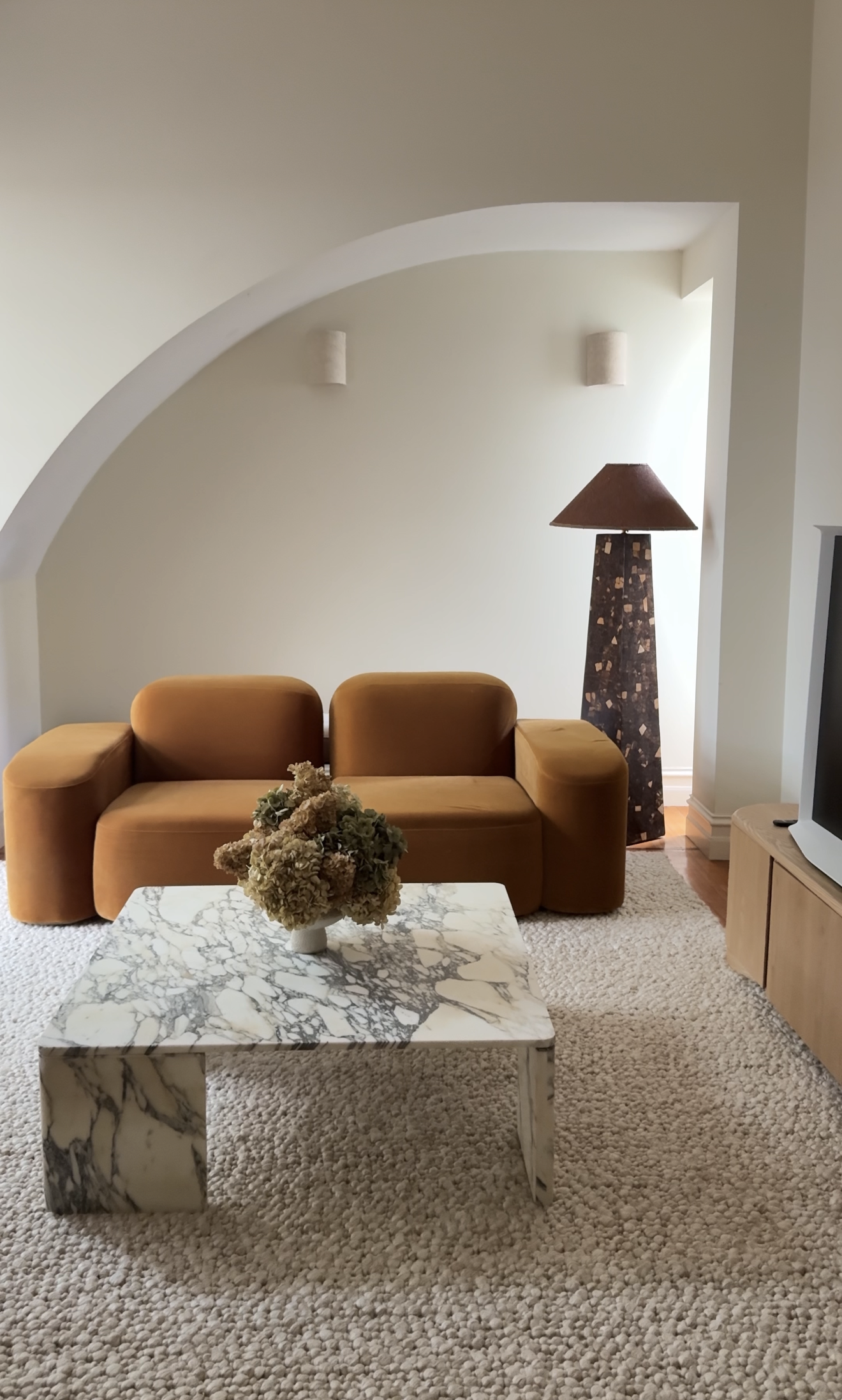
Apparently, I have been practising monastic design without realising it.
Not in the literal sense. I have not taken a vow of poverty, moved into a stone cell or replaced dinner with silent contemplation. But after years of removing cushions, questioning decorative objects and becoming increasingly irritated by rooms full of things that exist only to be styled, I have discovered there is now a name circling the interiors world for much of what I have been trying to articulate: the monastic aesthetic.
It sounds severe. In reality, the version that interests me is not about deprivation. It is about clarity.
What is monastic design?
Contemporary monastic interiors borrow from spaces made for ritual, contemplation and communal life: strong architecture, honest materials, natural light, useful furniture and very little visual noise.
The look may include plaster or chalky walls, aged timber, stone, linen, iron and simple forms. But reducing it to a shopping list misses the point. Monastic design is most convincing when it is an approach rather than a theme.
The room asks fewer objects to do more. A table is allowed to be beautiful because its proportion, timber and purpose are enough. A bed does not need fifteen cushions because the linen, shape and light already create interest. Empty space is not treated as a decorating emergency.
That last point is where I realised I may, in fact, be a monk.
I was not becoming minimalist
I have never been particularly interested in minimalism as a visual identity. Too often, it produces homes that are technically uncluttered but emotionally blank: smooth white surfaces, anonymous furniture and objects removed until there is no evidence of a person.
That is not what I want.
I want a home to feel warm, cultured and specific. I like old buildings, generous curtains, dark timber, silver, ceramic, linen, strong furniture and the occasional beautiful thing. I simply do not want every surface to perform.
Monastic design offers a useful distinction. Restraint does not require sterility. A sparse room can still contain age, texture, ritual and atmosphere. The interest comes from material, proportion, light and use, not a delivery of decorative bits.
Function is not the enemy of beauty
We have spent years being told to “style” every corner. Put three objects on the console. Add a stack of books under the bowl. Drape something over the chair. Place a decorative ladder beside the bath so the bath does not feel lonely.
The result is a lot of homes filled with objects that photograph as evidence of taste but contribute nothing to living.
A monastic approach reverses the priority. The table is for gathering. The chair is for sitting. The lamp is for light. The bowl holds something. Beauty comes from how well each thing performs, how it is made and how it relates to the room.
This is not anti-decoration. It is anti-filler.
The luxury of visual quiet
We live with an extraordinary amount of visual information. Screens, packaging, advertising, deliveries and constant newness compete for attention before we have even opened Instagram and been instructed to buy a wavy mirror.
A room with fewer competing objects can feel luxurious because it gives the eye somewhere to rest. The architecture becomes visible. Light is noticed. A good piece of furniture has enough space around it to register.
This is why removing things can make a modest room feel more expensive. It creates confidence. The room no longer appears to be auditioning every possession at once.
The materials matter more when there is less
Restraint makes each decision more visible. If a room contains one table, two chairs and a lamp, the scale, material and placement of those pieces matter enormously.
Natural materials suit this approach because they carry their own variation. Timber grain, rumpled linen, imperfect ceramic, aged metal and stone do not need additional decoration to create character. They become more interesting with use rather than requiring constant replacement when a trend changes.
But you do not need a limestone floor or a 17th-century convent. The principle works in a rental. Use the honest materials you can afford, choose forms with presence and stop disguising every limitation with another accessory.
Form has to earn its place
Monastic does not mean that all furniture must be crude, rustic or beige. A sculptural chair, contemporary sofa or polished metal lamp can work beautifully in a restrained room.
The question is whether its form contributes something. Does the curve balance the architecture? Does the scale anchor the room? Is the object useful as well as visually strong?
When there are fewer pieces, contrast becomes more effective. Contemporary furniture against an old fireplace. Crisp linen beside dark timber. A refined lamp on a simple table. You do not need to recreate a monastery; you need to understand why the restraint works.
Ritual is part of the design
Actual monastic spaces are organised around repeated practices. I think that matters to the appeal.
A home becomes calmer when it supports small rituals: making the bed, opening the curtains, setting the table, lighting a lamp in the evening, putting things away. These actions give objects meaning and prevent the room from becoming a static display.
The beautiful jug is used. The candlestick is lit. The dining table is kept clear because people eat there. Function gives the room rhythm.
How to practise monastic design without making the house miserable
Start by removing, not shopping. Clear one room of decorative filler and live with it for several days.
Then look at the essentials:
• Is the furniture positioned properly?
• Are the proportions strong enough?
• Does the lighting create warmth?
• Are the materials doing any visual work?
• Does each object have a purpose, emotional value or genuine beauty?
• Is there empty space around the pieces worth noticing?
Add softness where the room needs comfort: curtains, a rug, good bedlinen or upholstered seating. Keep it generous, but not excessive. Monastic restraint should not require a half-empty pillow and a blanket that punishes you.
Choose one or two expressive things rather than twenty minor ones. A substantial artwork, an old timber table, an excellent lamp or a piece of ceramic can provide personality without restarting the clutter.
What monastic design is not
It is not buying “monastic décor.” The moment an aesthetic based on reduced possessions becomes a new collection of candelabra, prayer stools and faux-aged vessels, we have rather missed the sermon.
It is not a performance of poverty using extremely expensive beige furniture.
It is not an excuse for uncomfortable seating, bad lighting or an unfinished room.
And it is not a moral judgement on people who love collections, pattern or highly decorated homes. Some people think brilliantly in abundance. I do not. At this point, another tiny object on a coffee table feels less like personality and more like admin.
The rule I was already following
Clean gives calm. Style gives warmth. Restraint gives taste. Function gives meaning.
I had been saying it before I knew the interiors world had decided to call the result monastic. The phrase works because it reminds us that a home can be rich without being full, expressive without being loud and beautiful without every surface proving the point.
So yes, perhaps I am a monk. Just one with a chocolate-brown sofa, a good fragrance and absolutely no interest in giving up linen sheets.
Listen next
For more on the difference between a room that feels empty, cluttered or genuinely considered, listen to this episode of Home & Hosting with Loui Burke: https://open.spotify.com/episode/3nK8xN5RUmNRrUBfyETBFo
Shop my current recommendations
For the home, hosting and bed pieces I am currently using and recommending, visit my ShopMy: https://shopmy.us/louiburke
You can also browse my Amazon Australia storefront: https://www.amazon.com.au/shop/louiburke
These storefronts are updated regularly, so the recommendations stay current without turning this article into an outdated product catalogue.
Further reading
House & Garden, How the ‘monastic’ interior became an object of desire: https://www.houseandgarden.co.uk/article/monastic-interior-design
Vogue, It’s a Religion: The Monastic Aesthetic Shaping 2026 Interiors: https://www.vogue.com/article/monastic-interiors-trend