
The Chic Host Checklist: How to Host Properly Without Making Everyone Nervous
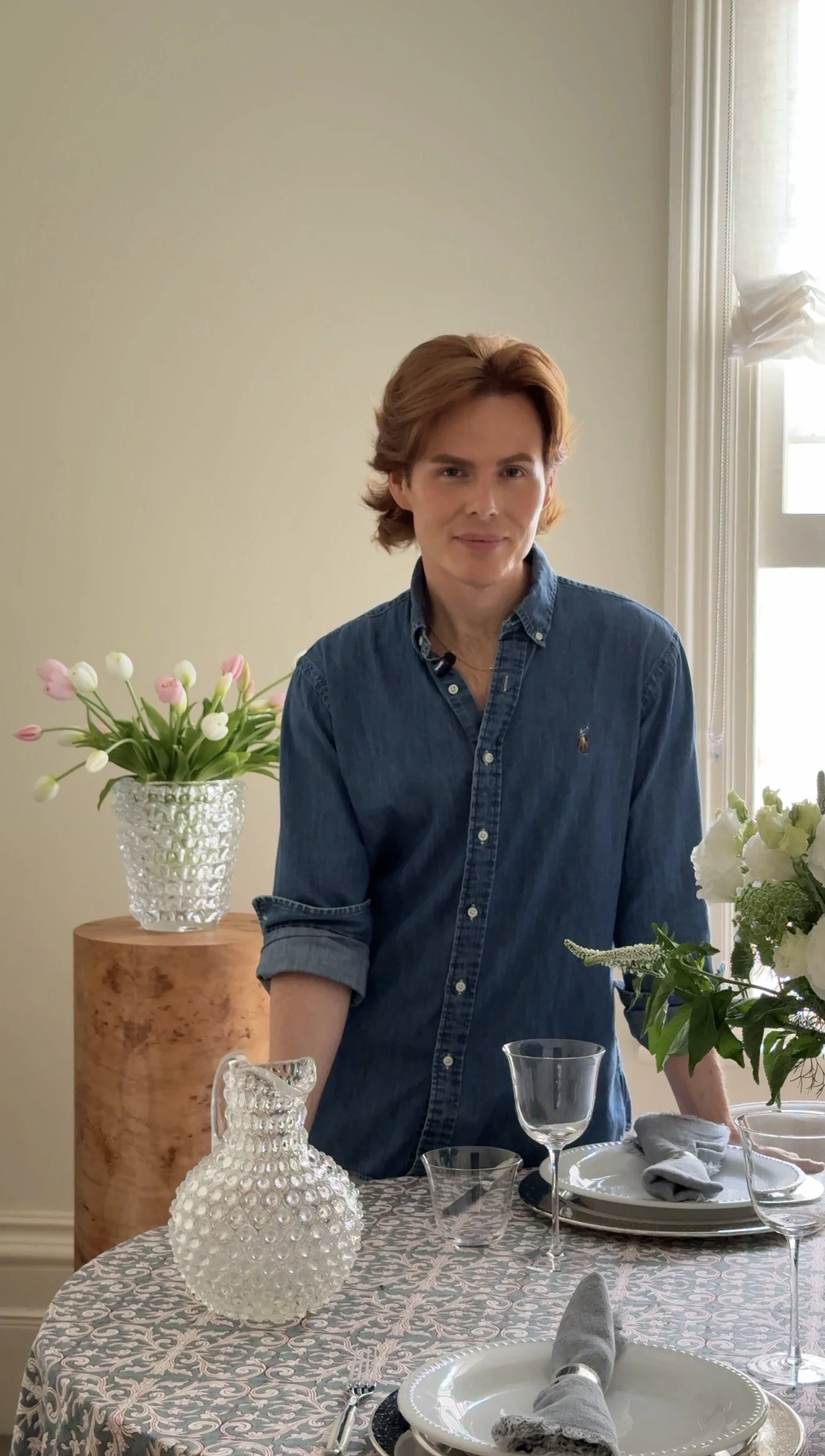
The best hosts do not make entertaining look effortless by pretending no effort happened. They simply do the work before anyone arrives, then stop fussing once the doorbell rings.
A properly hosted evening is not about a perfect table, a complicated menu or proving that you own twelve matching glasses. It is about making people feel expected, comfortable and looked after. The room can be beautiful, but if the host is tense, the guests will be too.
Here is the checklist I actually use.
Start with how you want the evening to feel
Before choosing napkins or planning a menu, decide what sort of night you are creating. Is it a long, candlelit dinner? Drinks and something generous to eat? A relaxed lunch that may drift into the afternoon?
That decision tells you almost everything else: the number of guests, the food, the lighting, the music and how formal the table needs to be. A clear mood is far more useful than collecting random “hosting ideas.”
Invite clearly
Give people the date, arrival time, location and any detail they genuinely need. Tell them whether it is dinner, drinks or a casual drop-in. If shoes, parking, children or dietary requirements matter, deal with that before the day.
Ambiguity is not chic. Guests should not need to interrogate you to work out whether they have eaten.
Clean what people will notice
You do not need to deep-clean the linen cupboard before dinner. Focus on the entrance, bathroom, kitchen surfaces and the room where people will sit. Empty the bins, put out a fresh hand towel and make sure there is toilet paper.
This is not glamorous advice. It is, however, the difference between a home that feels prepared and one that merely looks styled in photographs.
Set the room before you cook
Do the table, flowers, candles, serving dishes and music early. Check that everyone has somewhere comfortable to sit and that bags and coats have an obvious home.
Once the practical things are in place, you can concentrate on the food without trying to polish cutlery with one hand and stir a sauce with the other.
Choose a menu that lets you host
The meal should not hold you hostage. Include at least one element you can make ahead, one thing that is forgiving about timing and a simple finish. If every dish needs the oven at a different temperature in the final ten minutes, the menu has failed you.
I would rather serve one excellent main course with a beautiful salad, bread and a bought dessert than disappear into the kitchen all evening in pursuit of culinary theatre.
Have a drink ready
Offer something immediately: sparkling water, wine, a simple cocktail or a non-alcoholic option that feels considered rather than apologetic. Put water where guests can help themselves.
Do not make the first person through the door stand in the kitchen while you search for ice.
Use the good things—selectively
This is the moment for the linen napkins, candlesticks and platter you keep saving. But everything does not need to be precious. Mix the special pieces with everyday glassware and simple food.
A table feels personal when it has a point of view, not when every object matches. One strong gesture—a coloured cloth, low flowers, generous candlelight or a beautiful serving bowl—is usually enough.
Make introductions properly
Give people more than a name. A small piece of context creates an opening: how you know them, what they are working on or something they share with another guest.
Then allow the conversation to develop. Hosting includes noticing who has been left on the edge of it.
Stop apologising
Do not greet people with a list of what went wrong. They did not notice the chipped plate, the unfinished corner or the fact that the potatoes took eight minutes longer than planned until you announced it.
An apology can turn a perfectly good evening into a performance review. Welcome people in, give them a drink and carry on.
Read the room
Top up water before it is asked for. Move the music down when conversation becomes difficult. Open a window if the room is warm. Bring food out before everyone becomes ravenous. Offer tea or another drink when the evening shifts.
Good hosting is attentive, not hovering.
Let the house look lived in
A beautifully hosted home is not a showroom. There may be a coat over a chair, serving dishes on the bench and a table that becomes less pristine as the night continues. That is evidence that people are enjoying it.
The aim is not to preserve the setting. The aim is to create the evening.
The short version
Prepare the room. Serve food you can manage. Make the practical things obvious. Use something beautiful. Introduce people generously. Then sit down.
Your guests will remember how welcome they felt long after they have forgotten what the napkins looked like.
Listen to my Chic Host Checklist podcast episode: https://open.spotify.com/episode/5oYoFGkPb63odfnQ12wSrh
For more on becoming a relaxed, instinctive host, listen to 6 Tips to Host Like a Natural: https://open.spotify.com/episode/0T0qeFs9UGVHtPcrfguBmK