
How to Make a Rental Feel Put Together Without Renovating
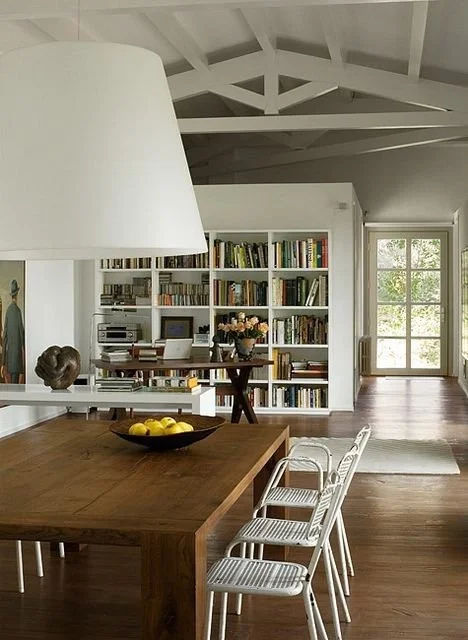
A put-together home comes from proportion, repetition, function and a clear point of view. All of those are available to renters.
Begin with the room, not a shopping list
Before buying anything, remove what does not belong, clean properly and look at the space as a whole. Where is the natural focal point? How do you move through the room? Is the furniture helping that movement or simply lining the walls?
Temporary homes often collect temporary decisions. Editing them is the fastest way to create intention.
Move the furniture off the walls
Pushing every piece to the perimeter rarely makes a room feel larger. It usually leaves an awkward empty middle and breaks the relationship between the furniture.
Pull the sofa forward enough for curtains to fall properly. Centre the bed on the most convincing wall. Bring chairs close enough for conversation. Use a rug to define the group.
You may gain a more generous room without spending anything.
Fix the scale
A small rug, short curtains and a tiny lamp can make even a good room feel mean. Choose pieces with enough presence for the architecture.
Curtains should usually run close to the floor and extend beyond the window frame. A living-room rug should connect the major seating pieces rather than float beneath a coffee table. Bedside lamps should relate to the bedhead, not disappear beside it.
Scale reads as confidence. It is one of the clearest differences between a room that feels assembled and one that feels considered.
Create a consistent palette
Work with the fixed elements rather than fighting every one of them. If the floors and walls lean warm, build from warm neutrals, timber, olive, rust or brown. If the shell is cooler, use stone, blue-grey, charcoal or crisp white—then add warmth through texture.
Repeat a small number of colours and materials from room to room. This continuity makes a rental feel like one home, even when the architecture is generic.
Use lighting to change the mood
Ceiling lights are rarely enough. Add lamps at different heights: a floor lamp near seating, a table lamp on a console and a proper bedside light.
Choose warm bulbs of a consistent temperature. The effect is immediate, portable and far more flattering than relying on a single bright fitting in the centre of the room.
Treat windows properly
If you are allowed to install curtains, hang them high and wide. If drilling is restricted, look at tension rods, removable brackets or a well-fitted blind, depending on the window.
Even when the existing covering must stay, you may be able to add a simple fabric layer in front. Keep the original hardware safely labelled so it can be restored when you leave.
Add art without creating a gallery-shop problem
Art gives a rental identity, but more is not automatically better. One substantial piece often has greater effect than many small, unrelated prints.
Use the fixing method your lease allows and choose lightweight work where necessary. Lean larger art securely on a console or mantel only when it cannot slip or fall. The arrangement should suit the wall, not advertise the limitations of temporary hooks.
Make storage look deliberate
Open clutter makes a home feel unsettled. Use closed storage where possible and group everyday objects by function. A tray can turn bottles into a collection; a basket can contain cables or throws; matching hangers can calm an exposed rail.
The goal is not to conceal evidence of life. It is to prevent every object from competing for attention.
Upgrade what moves with you
Spend on pieces you can take: good bedlinen, lamps, art, a generous rug, a side table, dining chairs or a beautiful mirror. Be cautious about items designed to solve one peculiar corner unless they are inexpensive or genuinely necessary.
If you use removable wallpaper, adhesive film or hooks, test them discreetly and follow both the product instructions and your lease. “Renter-friendly” is not a guarantee against damage.
Give each room one strong decision
A room becomes memorable when something leads. It might be the bed, a large artwork, a timber table, a striped rug or a deep-coloured sofa. Let that decision set the tone and keep the supporting pieces quieter.
Without hierarchy, a rental can feel like a collection of compromises. With it, the room feels chosen.
The order I would follow
1. Clean and declutter.
2. Reposition the furniture.
3. Fix the lighting.
4. Address curtains and rugs.
5. Add art and useful storage.
6. Only then buy decorative pieces.
You do not need permission to make a home feel calm, warm and recognisably yours. You need to stop treating every limitation as the design brief.
Listen next
For more on the difference between a room that feels empty, cluttered or genuinely considered, listen to this episode of Home & Hosting with Loui Burke: https://open.spotify.com/episode/3nK8xN5RUmNRrUBfyETBFo
Shop my current recommendations
For the home, hosting and bed pieces I am currently using and recommending, visit my ShopMy: https://shopmy.us/louiburke
You can also browse my Amazon Australia storefront: https://www.amazon.com.au/shop/louiburke
These storefronts are updated regularly, so the recommendations stay current without turning this article into an outdated product catalogue.