
How to Decorate Seasonally Without Filling Your Home With Stuff
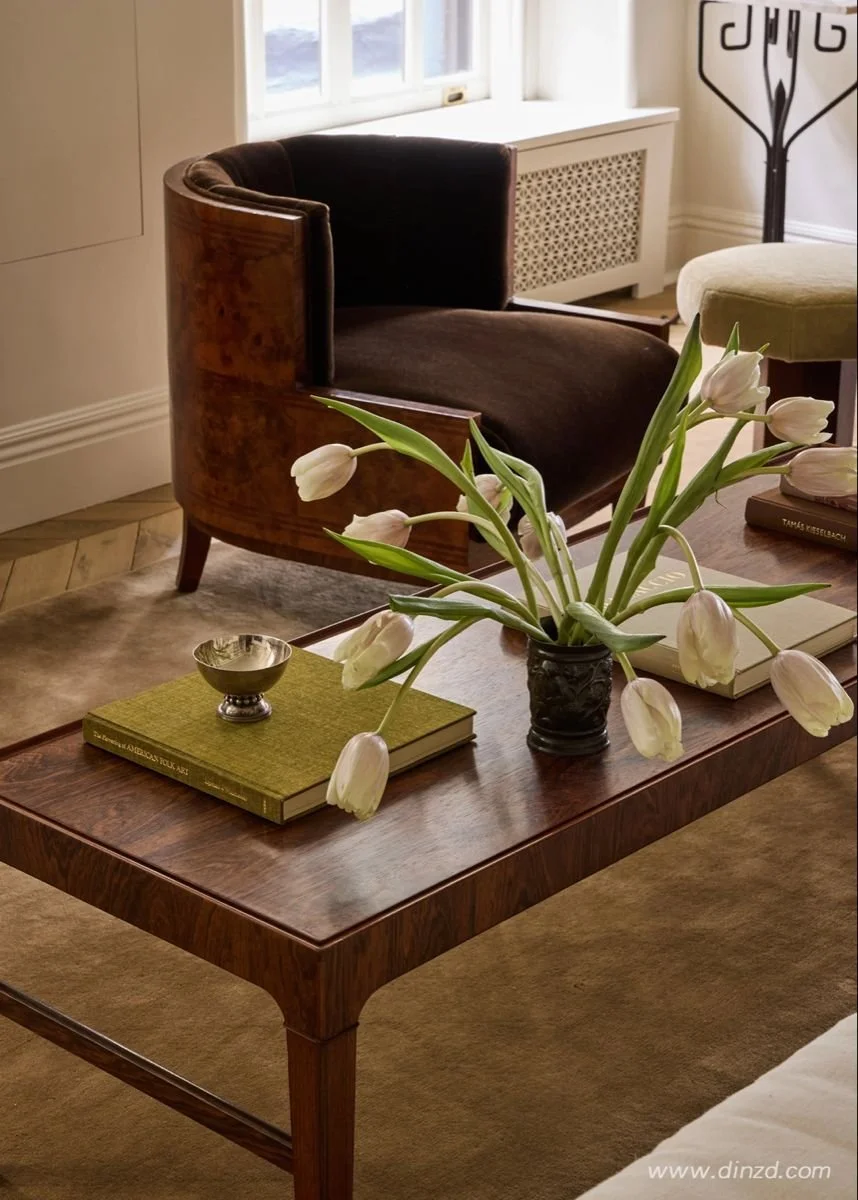
Seasonal decorating should make a home feel more alive, not make every cupboard groan under the weight of themed objects.
The point is not to redecorate four times a year. It is to notice what is happening outside, adjust how the house feels and make a few changes that suit the way you are actually living now.
In Australia, that also means ignoring a great deal of northern-hemisphere advice. We do not need faux snow and heavy tartan in December. We need ideas that work with our light, weather and seasons.
Change the atmosphere before the objects
Start with light, texture, scent and what is growing. These have a much stronger effect on a room than a collection of small decorations.
In cooler months, bring lamps on earlier, add one useful layer to the sofa or bed and use warmer materials such as timber, wool, brushed cotton and aged metal. In warmer months, clear heavier textiles, let the windows breathe and use crisp cotton, linen, glass and lighter woven pieces.
This is seasonal decorating at its most convincing because the home changes in response to daily life.
Work with a restrained palette
You do not need a prescribed colour for every holiday. Choose one seasonal note and let it sit within the palette you already have.
For spring, that might be fresh green, pale yellow or the soft colour of blossom. Autumn may bring rust, tobacco, olive or deep brown. Christmas can be eucalyptus, burgundy, cream, silver or whatever belongs naturally in your home.
Repeating one or two colours across flowers, table linen and a small detail creates more impact than scattering themed objects everywhere.
Use what is real
Branches, foliage, blossom, herbs, citrus and bowls of seasonal fruit instantly locate a home in a particular time of year. They also disappear when the season changes, which is exactly why they are useful.
A generous branch in a simple vessel often does more than an entire shelf of decorations. At the table, use ingredients and flowers that make sense locally. Lemons, pears, figs, tomatoes, rosemary and artichokes can all be part of the setting without becoming props.
Rotate, do not accumulate
Seasonal change can be as simple as rotating what you already own. Bring out the darker cushion covers, a different tablecloth, the heavier throw or the glassware you associate with summer drinks. Move a ceramic bowl from the kitchen to the table. Change the books or artwork displayed on a shelf.
The house feels renewed because your eye sees a different combination—not because you bought another box of décor.
Decorate the moments you use
Choose the places where seasonal life actually happens: the dining table, entry, kitchen bench, bedside or outdoor table. Give those areas one considered update and leave the rest of the house alone.
A bowl of citrus on the kitchen bench, linen on the table and fresh branches in the entry can carry an entire season. There is no requirement to make the bathroom participate.
Let food do some of the work
Seasonal entertaining is one of the easiest ways to shift the mood of a home. Change the drink, the menu and the way the table is set. Serve something that suits the temperature. Use candlelight when evenings arrive early; take dinner outside when the light lasts.
A home feels seasonal when the rituals change—not only the styling.
Store less and store deliberately
If you keep decorations, edit them hard. Choose pieces you genuinely look forward to seeing: a beautiful wreath base, candleholders, special ornaments, a tablecloth or serving pieces.
Store each season together and label it. If an object did not earn its place when the box came out this year, it probably does not deserve to return to storage.
Avoid novelty fatigue
The quickest way to make seasonal décor feel dated is to build it around a trend. Bows, pumpkins, checks or metallics may be having a loud year online, but your home does not need to become the physical archive of an algorithm.
Borrow the idea, not the inventory. Tie one ribbon. Use one pumpkin in the kitchen. Add one striped cloth. Keep the scale appropriate to your home and your taste.
A simple seasonal formula
For each season, choose:
• one natural element
• one textile change
• one shift in lighting or scent
• one table or food ritual
That is enough. The effect should be felt before it is catalogued.
Seasonal decorating is at its best when it helps you enjoy the present moment. The home should acknowledge the season, not surrender to it.
Listen to my podcast episode on seasonal trends and decorating: https://open.spotify.com/episode/7MxOFVn6371Ha7PbMIkOmn